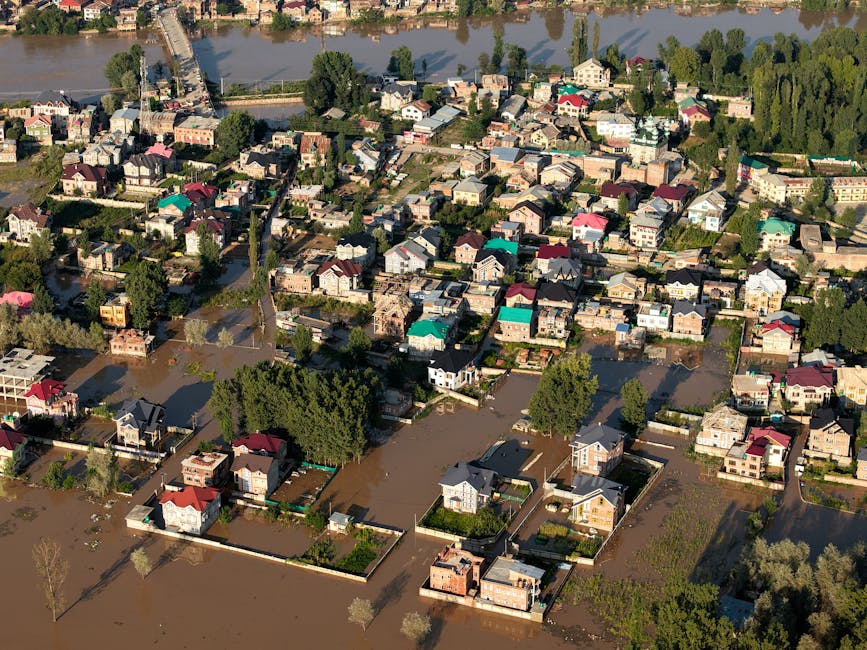
What to know about emergency flood cleaning in Ilford
When water gets into a home, flat, shop, or office, the first few hours matter more than most people realise. Emergency flood cleaning in Ilford is not just about mopping up a bit of standing water; it is about stopping further damage, reducing the chance of mould, protecting electrics and belongings, and getting the space back to a safe, usable state as quickly as possible. If you are dealing with a burst pipe, overflowing appliance, heavy rain, or a leak that has spread further than expected, a calm plan helps a lot. Truth be told, it is one of those situations where moving fast and moving sensibly make all the difference.
This guide explains what emergency flood cleaning involves, how the process works, what to do before help arrives, and how to avoid the common mistakes that make the problem worse. It also covers local considerations for Ilford properties, from compact terraced homes to shared flats and busy commercial spaces.
Table of contents
- Why emergency flood cleaning in Ilford matters
- How emergency flood cleaning works
- Key benefits and practical advantages
- Who this is for and when it makes sense
- Step-by-step guidance
- Expert tips for better results
- Common mistakes to avoid
- Tools, resources and recommendations
- Law, compliance, standards, and best practice
- Options, methods, or comparison table
- Case study or real-world example
- Practical checklist
- Conclusion
- Frequently asked questions
Why emergency flood cleaning in Ilford matters
Floodwater does not stay politely in one place. It creeps under skirting boards, soaks insulation, reaches timber, and settles in carpet underlay where you cannot see it. In Ilford, that matters because many properties include mixed flooring, older pipework, and rooms that connect tightly together. A small kitchen leak can end up affecting a hallway, lounge, and even rooms below in a maisonette or flat conversion.
There is also the smell issue. Stale water and damp materials can start to smell within hours, and once moisture gets into carpets, upholstery, or plasterboard, the clean-up becomes more involved. That is why emergency flood cleaning is really about damage control as much as cleaning.
It also matters for health and safety. Flooded areas can hide slip hazards, contaminated water, broken glass, and electrical risks. If you are unsure whether water has reached sockets, appliances, or fuse boards, treat it cautiously. You do not need to be dramatic about it, but you do need to be careful.
For landlords, tenants, homeowners, and business owners, the goal is the same: limit the spread, dry the area properly, and document what happened. If you are managing a rental or preparing a property for the market, related local advice in Ilford property sales and property investment in Ilford can also be helpful when you are thinking about long-term resilience, not just the immediate clean-up.
How emergency flood cleaning works
Emergency flood cleaning is usually a staged process. The exact order depends on the source of the water, how long it has been sitting, and what materials are affected. A good response normally starts with making the area safe, then removing water, then drying and cleaning, then checking for hidden moisture. Sounds simple, but the details matter.
1. Initial assessment
The first job is to identify the source and type of water. Clean water from a supply pipe is different from grey water from a washing machine overflow, and both are different again from foul water. That distinction affects what can be saved, what needs deeper cleaning, and whether anything should be treated as contaminated.
2. Safety isolation
Where needed, power is isolated to affected rooms, and access is limited until the space is safe. This part is not glamorous, but it is the sort of boring caution that prevents a bigger mess. If you can smell burning, see sparks, or suspect electrics are wet, stop and get professional help.
3. Water removal
Standing water is removed using extraction equipment, wet vacuums, or pumps depending on volume. The faster this happens, the less the water has time to soak into floors, walls, and furniture. In many homes, this step alone changes the whole outcome.
4. Drying and dehumidification
Once the visible water is gone, drying begins. Air movement, dehumidification, and careful ventilation are used to pull moisture from surfaces and the air. This stage can take longer than people expect. You may look around and think, "It looks dry now." Maybe. But hidden moisture is the real enemy.
5. Cleaning and sanitising
After drying, affected surfaces are cleaned, deodorised where necessary, and sanitised if contamination is suspected. Soft furnishings such as carpets and upholstery may need specialist attention, which is where services like carpet cleaning in Ilford and upholstery cleaning in Ilford can become relevant once the space has been made safe.
6. Moisture checks and follow-up
The final stage is often the most overlooked. Moisture readings, visual checks, and follow-up visits help confirm that walls, floors, and hidden cavities are drying properly. Skipping this bit is how damp problems come back later, usually with mould or a warped floorboard as the unpleasant souvenir.
Key benefits and practical advantages
Emergency flood cleaning does more than remove water. It creates a controlled recovery process, which is what you need when the place feels upside down. The benefits are practical, not theoretical.
- Less structural damage: fast extraction and drying reduce the chance of warped flooring, swollen wood, stained plaster, and lifted laminate.
- Lower mould risk: prompt moisture removal helps prevent hidden damp pockets where mould can start.
- Better salvage rates: furniture, rugs, and fittings are more likely to be saved if they are treated early.
- Safer living conditions: wet surfaces, contaminated water, and electrical hazards are dealt with properly.
- Faster return to normal: whether it is a family home or a workplace, you can get back to routine sooner.
There is a quieter benefit too: peace of mind. When an experienced team is handling the clean-up, you are not trying to guess whether the floor under the carpet is still damp. You know what has been checked and what remains to be done. That alone reduces a lot of stress.
If the flood affects a workplace, the disruption can be more than an inconvenience. For business owners, the broader context of office cleaning in Ilford and day-to-day premises care is worth thinking about, because a cleaner, better-managed space often recovers more smoothly after an incident.
Who this is for and when it makes sense
Emergency flood cleaning makes sense for anyone whose property has taken on water faster than routine cleaning can manage. That includes homeowners, tenants, landlords, letting agents, office managers, and shop owners. It is especially useful when the water has spread beyond a single tile or has reached soft furnishings, underlay, or wall finishes.
You may need it if:
- a pipe bursts under a sink or behind a wall;
- a washing machine, dishwasher, or boiler leaks heavily;
- heavy rain enters through a roof, window, or door;
- a flat or maisonette suffers water from an upstairs property;
- a commercial premises floods during opening hours or overnight;
- there is a lingering damp smell after a small incident that was not fully dried.
It also makes sense when you are not sure how serious the situation is. That uncertainty can be the tricky bit. A room may look manageable, but the underlay or plaster may already be soaked. If the flood has reached carpet edges, base units, or built-in cupboards, do not assume the damage is only surface level.
For rented homes, end-of-tenancy situations can become awkward quickly if flood damage is not handled properly. If that sounds familiar, you may find the local guidance in end of tenancy cleaning in Ilford useful once the emergency has been stabilised.
Step-by-step guidance
Here is a straightforward way to think about emergency flood cleaning if you are dealing with it right now. Keep it calm. Keep it practical.
- Stop the source if it is safe to do so. Turn off the water supply if the leak is coming from inside the property and you know where the stop tap is. If not, do not start pulling things apart in a panic.
- Protect people first. Keep children, pets, and anyone vulnerable away from wet or contaminated areas.
- Cut electrical risk where needed. If water is near sockets, appliances, or cables, isolate the area and avoid using the affected circuit.
- Move valuables and dry items. Lift items out of the water quickly. A few minutes matters. Use towels or plastic sheeting if you need a temporary barrier.
- Document the damage. Take photos and short notes. This helps later with insurance or landlord discussions.
- Remove standing water. Use a mop, towels, or a wet vacuum if appropriate, but do not spread dirty water into other rooms.
- Open up the area carefully. Ventilate where safe, and move furniture slightly away from wet walls to allow airflow.
- Arrange specialist cleaning and drying. Floodwater is not the time for guesswork. Professional drying and deep cleaning are usually the sensible move.
- Check hidden moisture. Ask for follow-up checks if carpets, walls, or flooring have been affected.
- Review what caused it. Once the emergency is over, look at prevention. A dripping valve or loose fitting can become the next flood if ignored.
A quick real-world example: a small leak in a kitchen can seem like a "later" problem at first, especially if the visible puddle is only a few square feet. But by evening, the water may have reached the kickboard, underlay, and the edge of the next room. That is how a small issue turns into a more expensive clean-up. Not fun, but common.
Expert tips for better results
There are a few things that tend to make the recovery smoother. They are simple, but they work.
- Act in hours, not days. The sooner drying starts, the better the outcome usually is.
- Do not trust the surface. Dry-looking flooring can still hold moisture below.
- Keep airflow controlled. Some ventilation helps, but a cold draught across damp rooms is not a magic fix.
- Be careful with heaters. High heat can damage materials or make some problems worse if used badly.
- Sort cleaning by material. Carpet, hard flooring, upholstery, and painted walls all need different handling.
- Watch the smell. A musty or earthy smell often means moisture remains somewhere.
- Ask about follow-up drying checks. Good flood cleaning is not just one visit and done.
One useful habit, especially in Ilford flats and older terraces, is to pay attention to the edges of the room. Water often hides where floor meets wall. You may not notice much in the centre, but the corners can tell a different story.
If you are comparing support for different parts of the property, broader service pages such as services overview can help you see how flood recovery may overlap with regular cleaning, deep cleaning, carpet care, or upholstery care.
Common mistakes to avoid
Flood clean-ups often get harder because of a few well-meaning mistakes. Here are the ones that come up again and again.
- Waiting too long: hoping the water will "just dry out" is risky, especially on carpets and wood.
- Using the wrong cleaner first: spraying products before the area is stable can lock in dirt or stain materials.
- Ignoring hidden areas: under furniture, inside cupboards, and beneath edges of flooring are common trouble spots.
- Drying only the visible surface: a top layer that looks fine can hide damp below.
- Moving contaminated items around the house: this spreads bacteria and odour.
- Switching electrical items back on too soon: that one is obvious, but it still happens.
- Assuming all floodwater is the same: clean water, grey water, and foul water require different care.
There is also a more subtle mistake: trying to do everything yourself when the damage is bigger than you first thought. To be fair, many people start out that way. You grab towels, open windows, and think you are on top of it. Then you notice the carpet still feels damp two days later, and the room starts to smell. That is usually the point where proper drying and deep cleaning become necessary.
Tools, resources and recommendations
You do not need a van full of equipment to understand what helps during flood recovery, but it is useful to know what professionals typically use and why.
| Tool or method | What it does | Best use case |
|---|---|---|
| Wet vacuum or extraction equipment | Removes standing water quickly | Visible water on hard floors, carpets, or under furniture edges |
| Air movers | Improves airflow across wet surfaces | Speeding up drying after water extraction |
| Dehumidifiers | Pulls moisture from the air and materials | Rooms with hidden damp or prolonged saturation |
| Moisture meter | Checks whether materials are still damp | Confirming if walls, floors, or timber need more drying |
| Specialist carpet or upholstery cleaning methods | Helps remove residue, odour, and staining | Soft furnishings that have been affected by floodwater |
If you are choosing help, look for practical signs of good practice rather than fancy language. Clear explanations, sensible questions about the water source, and attention to drying checks are all good signs. You want someone who knows the difference between making something look better and actually making it safe and dry.
For business premises, it can also help to pair emergency flood cleaning with routine upkeep afterward, especially where foot traffic or stock movement has worsened the mess. A focused local service such as office cleaning in Ilford may be relevant once the emergency phase is over and the workplace needs a proper reset.
Law, compliance, standards, and best practice
Flood cleaning is not only a housekeeping issue. In the UK, there are practical duties around health and safety, safe access, electrical caution, and making sure workplaces or rental homes are not left in a hazardous condition. You do not need to turn into a compliance expert overnight, but you should treat floodwater as a safety issue, not just a cleaning chore.
For landlords and managing agents, there may be obligations to keep a property fit for use and to address hazards promptly. For employers, there is a general duty to protect staff and visitors, which means acting quickly if a workplace floods. In shared buildings, leaseholders and tenants may also need to report the incident promptly so the right people can coordinate repairs and drying.
Best practice usually includes:
- isolating electrical hazards where appropriate;
- recording the incident and damage;
- using safe cleaning methods for contaminated water;
- not reoccupying affected rooms until they are properly dried;
- arranging follow-up checks if moisture remains;
- handling disposal of damaged porous materials carefully.
Insurance processes can vary, and policy wording matters, so keep your own records and speak plainly about the cause, timing, and extent of the damage. The team pages on insurance and safety may also be helpful if you want to understand how a reputable cleaning provider approaches risk and safe working.
On a simple level, the standard to aim for is this: the space should be clean, dry, safe, and no longer carrying hidden moisture that could create another problem next week.
Options, methods, or comparison table
Not every flood situation needs the same response. A small clean-water overflow is not the same as a room contaminated by foul water. Here is a straightforward comparison that helps people decide what level of response is sensible.
| Situation | What you might do first | What usually needs specialist help | Risk level |
|---|---|---|---|
| Small clean-water spill | Mop, dry, ventilate, check affected areas | May only need a deep clean if flooring is affected | Low to moderate |
| Leaking appliance or pipe | Stop source, remove water, protect electrics | Drying, moisture checks, carpet or flooring care | Moderate |
| Rainwater ingress | Contain the spread, move belongings, document damage | Drying of walls, carpets, furnishings, and skirting | Moderate to high |
| Grey water incident | Limit contact, avoid spreading residue | Sanitising and proper cleaning of affected materials | High |
| Foul water or sewage-related flooding | Keep people away, isolate area, do not handle casually | Specialist containment, cleaning, and safe disposal | Very high |
For many Ilford households, the real decision is not whether to clean at all; it is how far to go with the clean-up. A towel-only response may be fine for a brief spill. It is not enough for soaked underlay or a waterline running along the bottom of a wall.
Case study or real-world example
Picture a typical ground-floor flat in Ilford on a damp, grey morning. A washing machine hose slips behind the unit while no one is home. By the time someone returns, the kitchen floor is wet, the edge of the lounge carpet is damp, and there is a faint earthy smell starting already.
The first sensible step is to stop the water and make the area safe. Then the visible water is removed, furniture is moved clear, and the carpet edge is lifted just enough to check the underlay. That matters, because the water often travels farther underneath than people expect. A dehumidifier and airflow equipment are then used to dry the kitchen and lounge area over the next couple of days, with a follow-up moisture check to confirm the floor is properly drying.
What went well here? Fast action, no panic, and no attempt to scrub everything immediately. What would have made it worse? Leaving the flat shut up overnight, or turning the incident into a full DIY project with no moisture checks. Sometimes the simple route really is the best route.
If the same flat were being prepared for a move-out, the property owner might also think about how to restore the overall presentation afterwards, and pages like end of tenancy cleaning in Ilford can fit into that wider recovery plan.
Practical checklist
Use this checklist if you need a quick, sensible response. Keep it nearby. Seriously, it helps when your head is spinning a bit.
- Identify the source of the water.
- Make the area safe for people and pets.
- Switch off electrics if water is near sockets or appliances.
- Photograph the damage before moving too much.
- Remove standing water where it is safe to do so.
- Move furniture and loose items out of the wet area.
- Open windows or improve ventilation where appropriate.
- Arrange professional drying and flood cleaning support if the area is more than minor.
- Check carpets, underlay, and wall edges for hidden damp.
- Confirm the room is fully dry before restoring everything.
- Review the cause so it does not happen again.
A good rule of thumb: if you are still wondering whether the floor is dry, it probably needs more checking. That is the part people skip, and it is where hidden problems begin.
Conclusion
Emergency flood cleaning in Ilford is about speed, safety, and proper drying, not just making a room look tidy again. The best results usually come from a calm first response, a clear understanding of the type of water involved, and a careful follow-through that checks for hidden damp. If you get those parts right, you protect the building, reduce disruption, and give yourself a much better chance of avoiding mould, odour, and repeat damage later on.
It is never a pleasant moment when water gets where it should not be. But with the right approach, it does not have to turn into a long, expensive headache. One step at a time, that is often enough.
Get a free quote today and see how much you can save.
Frequently Asked Questions
What should I do first after a flood in my Ilford home?
Make the area safe, stop the water source if you can do so safely, and keep people away from wet or electrical hazards. Then document the damage and start removing standing water.
How quickly should emergency flood cleaning happen?
As quickly as possible. The first few hours are important because water spreads into flooring, walls, and furniture surprisingly fast. Fast drying usually reduces the final damage.
Can I clean up floodwater myself?
Small clean-water spills may be manageable, but once water reaches carpets, underlay, walls, or electrical areas, specialist help is usually the safer choice. Floodwater is often trickier than it looks.
Is floodwater dangerous?
It can be. Even if it looks clean, it may carry contamination, and it can also create slip and electrical hazards. Treat any significant flood cautiously.
Will my carpet need replacing after a flood?
Not always. Some carpets can be salvaged if they are extracted and dried quickly, but the underlay, subfloor, and any contamination level all affect the decision.
How do I know if hidden damp is still present?
Smell, cool patches, lifted edges, and lingering moisture readings are common clues. A room that looks dry may still hold moisture under the surface, which is why follow-up checks matter.
What is the difference between clean water and contaminated floodwater?
Clean water usually comes from a supply pipe or appliance feed. Grey water may contain some contamination, and foul water is much higher risk. The more contaminated the water, the more cautious the cleaning process needs to be.
Do I need to move out during flood cleaning?
Sometimes, but not always. It depends on the severity, contamination level, and whether the property can be made safe while drying continues. A professional assessment helps with that call.
How long does drying usually take?
It varies. Small incidents can dry faster, while soaked flooring, plaster, or hidden cavities may take several days or longer. The materials affected matter just as much as the amount of water.
Can flood cleaning remove bad smells?
Usually, yes, if the source of the smell is properly cleaned and the affected materials are fully dried. If moisture remains, the smell often returns. That is the honest bit people sometimes forget.
Will my insurance cover flood cleaning?
That depends on your policy and the cause of the flood. Keep records, photographs, and notes about what happened, then speak to your insurer as soon as you can.
Should I use strong bleach after a flood?
Not as a default answer, no. Flooded materials need the right cleaning method for the material and the contamination involved. Strong chemicals are not always the right fix, especially on carpets or porous surfaces.
What if the flood only affected one room?
Even then, check surrounding spaces. Water travels through edges, under floors, and into adjacent areas. One room can hide a wider problem, especially in older or compact properties.
Where can I learn more about related cleaning support in Ilford?
Useful local context can be found across the site, including same-day house cleaning in IG1, carpet stain removal in Seven Kings, and tips for avoiding hidden charges in cleaning quotes.